



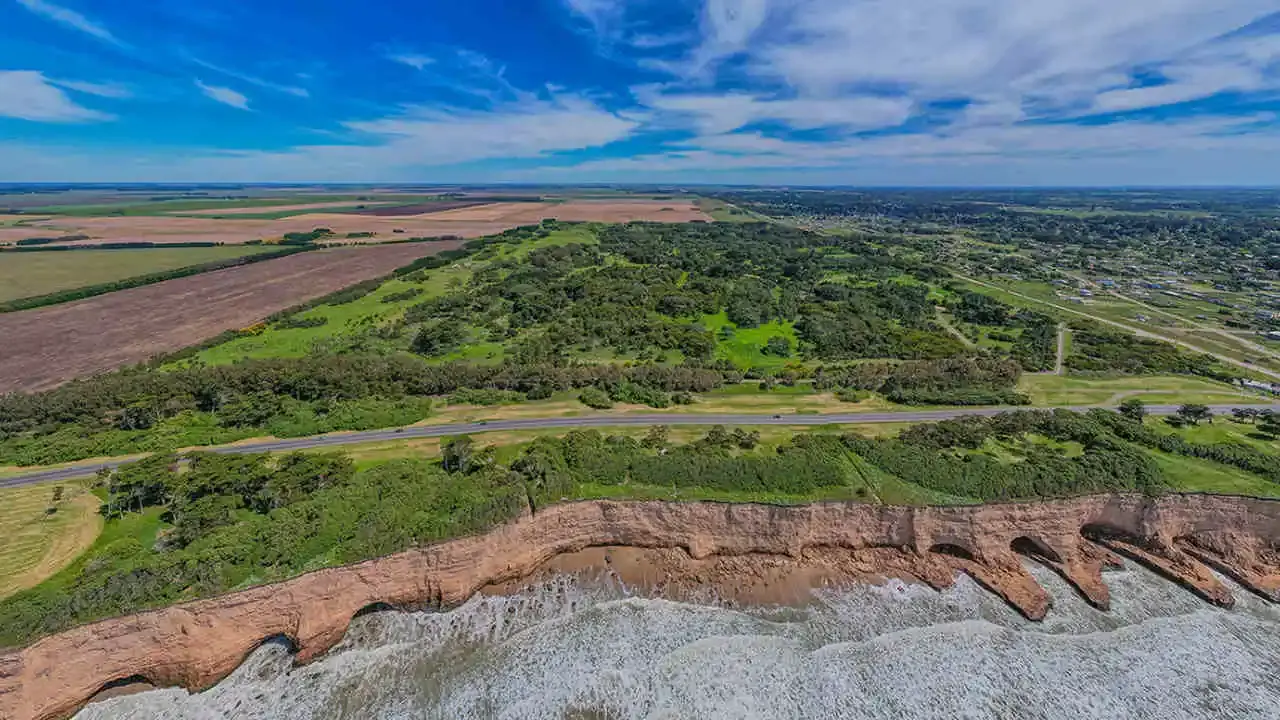
Olas Chapadmalal: A New Vision of Coastal Living Near Mar del Plata
A community designed around the ocean, mature woodland and sustainable urban planning is bringing a new perspective to life on Argentina’s Atlantic coast.
Just south of Mar del Plata, Chapadmalal has become an appealing destination for those seeking a closer connection with the ocean, open landscapes and a more relaxed pace of life. Among the developments exploring this way of living is Olas Comunidad Oceánica, a residential project that places nature, community and environmental responsibility at the heart of its vision.
Located along Provincial Route 11, at the intersection with Calle 515, Olas combines proximity to the Atlantic Ocean with an extensive wooded landscape. According to its official website, the development covers approximately 100 hectares, with plans for around 350 residential plots ranging from 1,300 to 2,500 square metres.
Living Between the Forest and the Sea
The appeal of Chapadmalal extends beyond its beaches. Its coastal cliffs, open grasslands, mature trees and surfing culture have helped establish the area as an alternative to the faster pace of urban life.
Olas seeks to build on these natural characteristics by proposing a residential environment where the landscape remains central to everyday living. The project highlights established woodland, pedestrian bio-trails and green corridors designed to connect open spaces while preserving privacy between individual properties.
The development also plans to incorporate a lagoon and a stream, creating additional natural features within the community.
Rather than treating green spaces as secondary amenities, the project’s stated philosophy positions the natural environment as a defining element of its identity.
Infrastructure Designed for Modern Living
While nature provides the setting, Olas also outlines an infrastructure plan intended to support year-round residential life.
The planned and advertised services include underground electricity distribution, potable water, natural gas, a sewage treatment facility and fibre-optic connectivity. Its road network combines a paved perimeter street with internal roads designed to improve rainwater absorption and reduce environmental impact.
Security services, residential waste collection and sorting, and a community garden are also included in the project’s description.
These features reflect a broader challenge facing coastal developments: creating comfortable residential environments while accounting for the characteristics of the surrounding landscape.
Community, Recreation and Wellbeing
Olas also envisions shared spaces intended to encourage social interaction and outdoor activities.
The planned amenities include a clubhouse with bar and restaurant facilities, spaces for private gatherings, barbecue areas, a gym, tennis and paddle courts, a football area and a children’s playground.
Pedestrian trails and landscaped common areas are intended to complement these facilities, offering residents opportunities to spend time outdoors and connect with their surroundings.
The combination of private residential plots and shared recreational spaces reflects an approach to community planning that balances individual privacy with opportunities for social life.
A Sustainability-Oriented Approach
Environmental considerations are another central element of the project’s stated vision.
Olas describes architectural guidelines that include green roofs and enhanced wall insulation, alongside measures intended to improve rainwater retention and treatment. Its landscape strategy also emphasises the preservation of existing trees, the creation of biological corridors and the integration of native vegetation.
The project further identifies its lighting strategy as an opportunity to reduce the impact of artificial illumination on the night sky.
Together, these principles suggest an approach to residential development that seeks to reconcile contemporary infrastructure with the preservation of natural features. Their long-term impact will depend on how these commitments are implemented and maintained as the community develops.
Discovering a Different Side of Mar del Plata
For international visitors exploring Argentina’s Atlantic coast, Chapadmalal offers a perspective on the region that extends beyond the traditional city-centre experience.
The area combines beaches, coastal landscapes and a growing interest in outdoor recreation with proximity to Mar del Plata’s restaurants, cultural attractions and urban services.
According to the developer, Olas is approximately 15 minutes from Playa Grande and five minutes from the Luna Roja and La Estafeta beach areas, making its location relevant to those who value access to both the city and the quieter southern coastline.
For people considering a longer stay or a permanent move, the project also raises broader questions about how coastal communities can accommodate modern lifestyles without losing the natural characteristics that make them attractive in the first place.
Looking Towards the Future
Olas Comunidad Oceánica presents a vision of residential life shaped by the relationship between architecture, infrastructure and the environment.
Its emphasis on spacious plots, woodland, pedestrian connections and shared recreational facilities positions the development within a wider conversation about how people want to live along Argentina’s coast.
As Chapadmalal continues to attract interest from residents and visitors seeking a different relationship with the sea, projects such as Olas offer a glimpse of the possibilities — and responsibilities — involved in shaping the area’s future.
For those interested in learning more about the development, its infrastructure, residential plots and commercial information are available through the official website.
More information: olas-chapadmalal.com.ar